
Parts · 3 min read
What to Do When AI Recommends a Part You Can’t Verify
Separate the assistant’s suggestion from the fitment evidence and get the exact listing checked before you pay.
CapCar Editorial ·
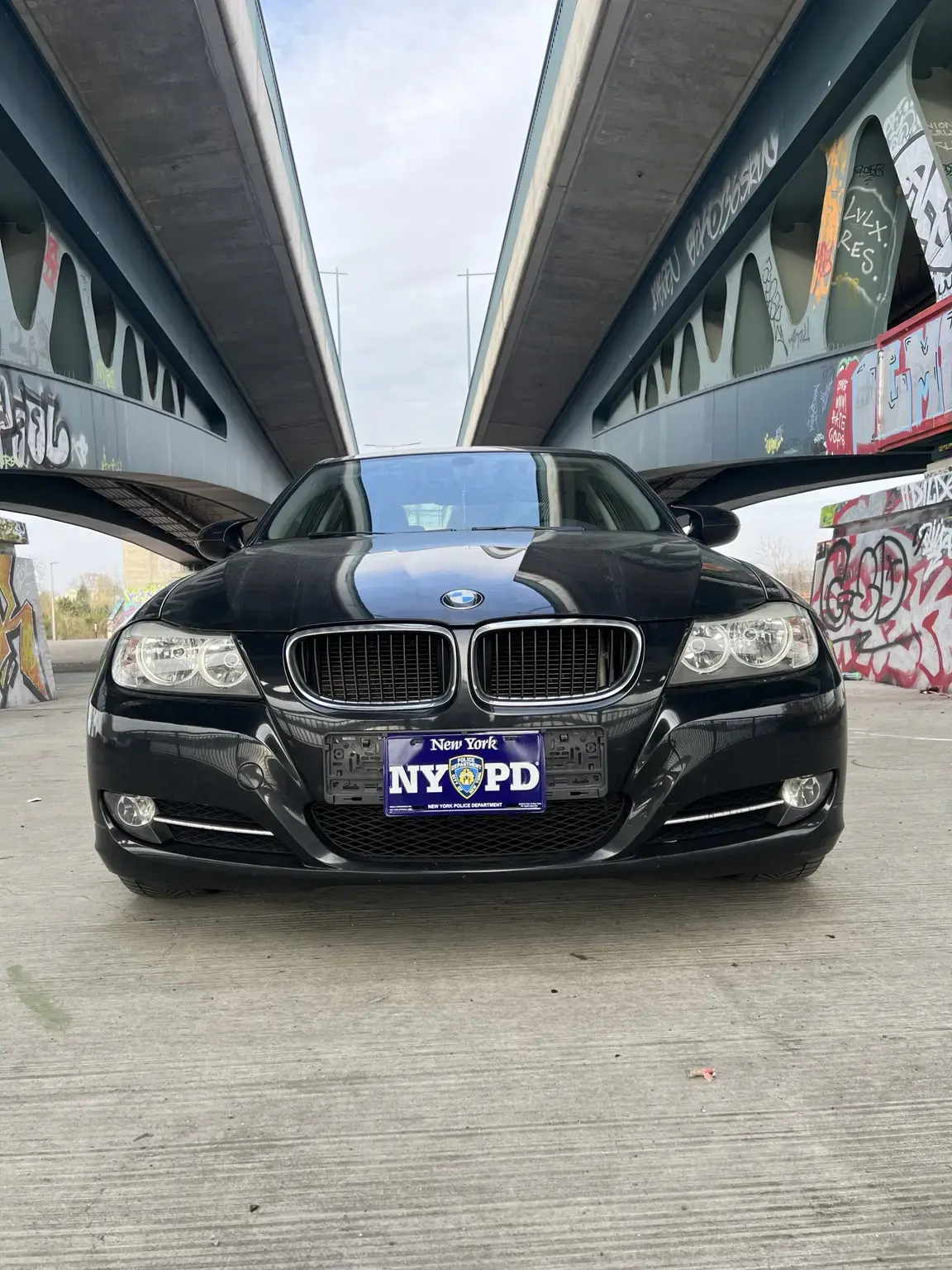
The assistant recommends a part and gives you a convincing explanation. Then you search for it and get three listings with similar names, different part numbers, and claims that they all fit your car. This is the point where a helpful idea can turn into an expensive guess.
Keep the recommendation as a lead. The next question is whether you can verify the exact part someone would ship and whether it suits the car as it is today.
Get the recommendation out of the chat
Save the exact wording, including any brand, part number, or link. Underneath it, write the car details the assistant actually had. Add what might be missing, such as the bumper already fitted or a previous owner’s modification. If the assistant named a part without a reference, ask which source supports it and whether it meant a particular product or a general style.
A linked source gives you somewhere to check. Open it and look for the exact claim. A page about a range of products may say little about the listing in your basket.
Compare the evidence for one listing
Start with one seller and one part number. Check what the manufacturer or a supplier catalogue says, then compare it with the listing’s reference and stated applications. If the seller uses their own stock code, ask for the manufacturer’s reference and confirmation of what comes in the box.
Suppose an assistant suggests a rear diffuser and the listing title only gives the model family. The description says it is for a particular bumper style. Before ordering, send the listing to the seller or workshop along with clear photos and the relevant car details. Ask them which current setup the part requires and whether any other pieces or work would be needed. The seller and workshop answer different questions: what the product is, and what fitting it to your car would involve.
Decide what counts as enough to buy
Write the evidence beside the part. “Seller confirmed reference X by email, and the workshop confirmed it can quote fitting based on these photos” gives you something to check again later. “The title and the AI reply both said it fits” leaves the exact part and setup uncertain.
If the sources disagree, ask each side what they based the answer on. Save the listing as pending while you wait. You can also ask the workshop whether it can source a part against your requirements. That gives you a separate option to compare without assuming the AI suggestion was the only possible fit.
Take one suggested part into CapCar’s parts tools and write down the seller’s reference and the fitment question you still need answered. Keep the purchase decision open until you have a clear answer for that exact listing.
Your next article

Parts · 3 min read
How to Check a Car Part Listing Before Ordering
Check the exact part reference, seller’s fitment details and what’s included before buying a part for your car.
Read the article →

Build planning · 3 min read
How to Start a Project Car Build Plan With One Job
Turn a long project car wish list into one scoped job with a budget, a stopping point, and a way to record what changed.
Read the article →