
Used cars · 2 min read
Buying a used BMW E90: What you can find out in 30 minutes
A three-part viewing worksheet for checking paperwork, inspecting the car, and deciding what to investigate next.
CapCar Editorial ·
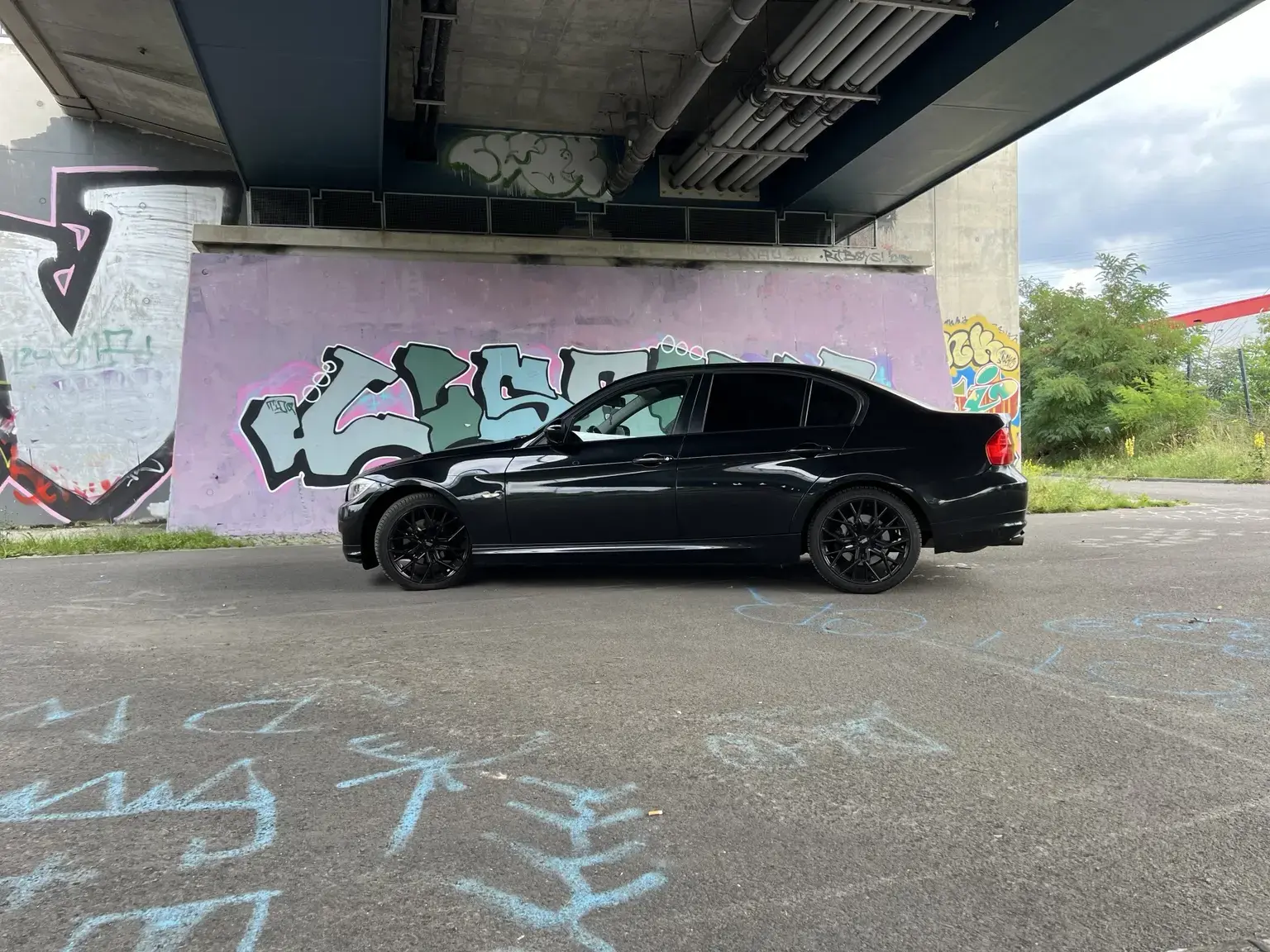
The wheels are the first thing you notice at a viewing. Whether the last repair is documented often takes longer to figure out. Split the first half-hour into three parts: paperwork, the car, and unanswered questions. Allow separate time for the test drive and any professional inspection.
Minutes 0–10: Check the paperwork. Ask for service invoices and inspection reports. Record the date and mileage for important work. “It was done” is a statement. “Invoice from March at 132,000 km” gives you something you can check.
Minutes 10–20: Walk around the car. Describe what you can see without diagnosing it. Write “different paint shade on the right-hand door,” rather than “accident damage.” If you’re unsure, get an independent inspection. The 318i badge alone doesn’t tell you which engine, equipment, or parts the car has.
Minutes 20–30: Decide what’s missing. Take unanswered questions home. You don’t have to buy the car at the viewing.
| Viewing worksheet | Notes |
|---|---|
| Variant, year, mileage | |
| Last documented service | |
| What I noticed and what the seller said | |
| Question for a professional inspection | |
| Next step: investigate, request a quote, or walk away |
For a more detailed inspection checklist, see ADAC or TÜV NORD. The BMW 318i E90 diary shows how to start a record after the purchase.
Your next article
Build planner · 4 min read
A build plan that starts with one real job
Turn a saved idea into one defined job, a realistic budget and a useful next action in CapCar.
Read the article and use the checklist →
Vehicle guides · 3 min read
Before the first screw: use the guide, keep the result
Find a guide for your vehicle, check its prerequisites and keep a useful record of what actually happened.
Read the article and use the checklist →