
Build planning · 3 min read
What to Do When Your Project Car Goes Over Budget
Rework an over-budget car project by separating money already spent from commitments, then choosing what to finish or defer.
CapCar Editorial ·
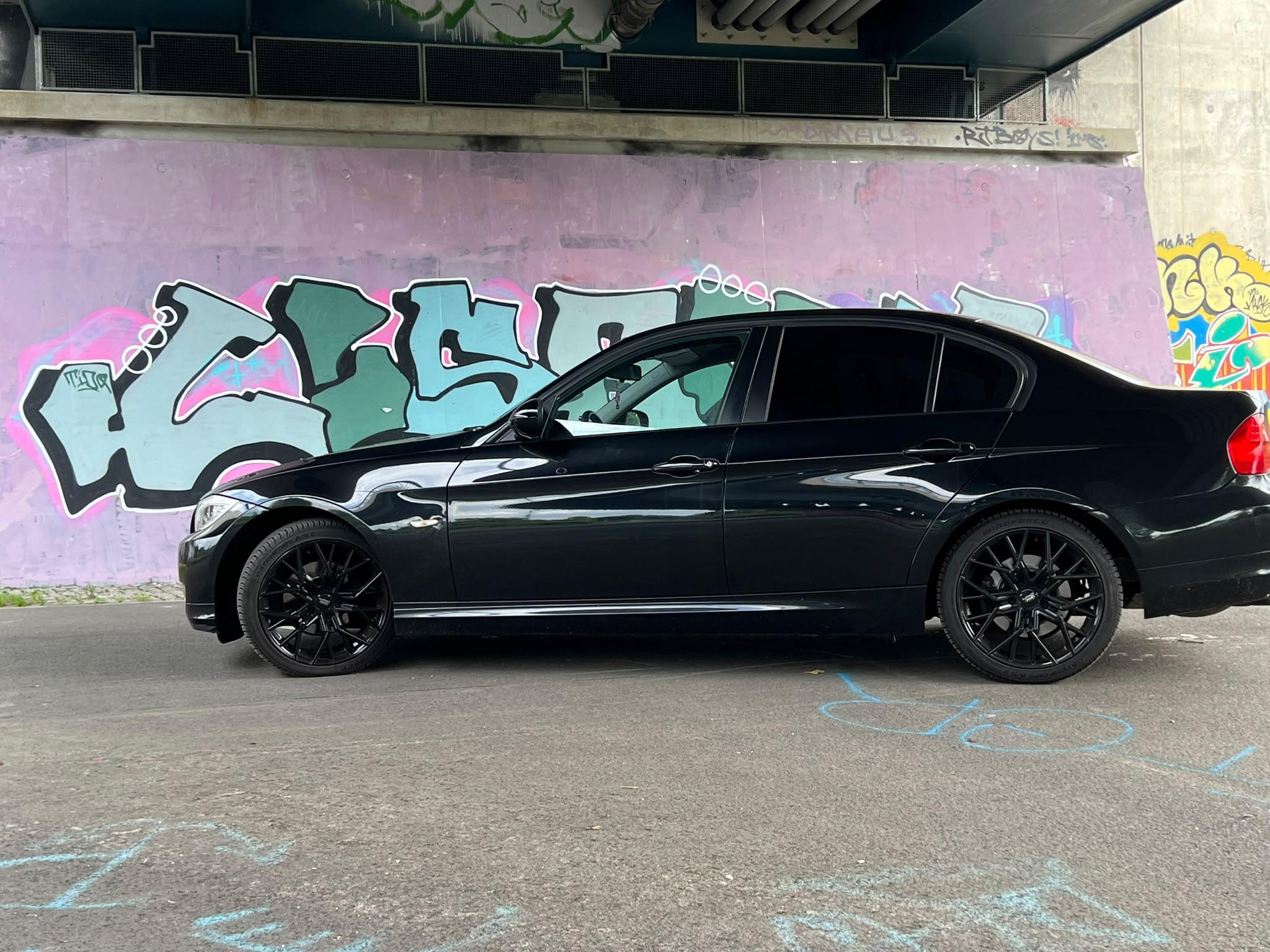
The expensive moment in a project often comes after you’ve already said yes to something. A part is on the way, the workshop has booked a slot, and a revised quote is higher than the plan. Before you decide whether to spend more, work out how much money you still have a choice about.
Make a new list from today forward
Take the old budget and split it into three columns: paid, committed and undecided. An invoice you’ve settled belongs under paid. A booked service or ordered part goes under committed until you check what you can change and on what terms. The undecided column is for work you haven’t agreed to yet.
Write down what it costs to reach a sensible stopping point from where you are now. Ask the workshop what needs completing for the car to be returned to you in usable condition, and what can wait. When the car is already apart, asking for that distinction can save a long argument about whether the entire original plan still makes sense.
Rebuild the scope before raising the budget
For example, suppose you set a €1,000 ceiling and have already paid €350. The remaining list is quoted at €900, including €600 for the work needed to finish the current job and €300 for cosmetic extras you haven’t approved. If the shop confirms it can separate the work, finishing the current job would bring the total to €950. The extras can go back on the wish list.
Sometimes the numbers don’t split that neatly. A part may only be usable with additional work, or the shop may need to inspect the car before it can price an alternative. Ask for the revised scope and price in writing before approving it. If you decide to increase your budget, name what the extra money buys and set a new limit for any further changes.
Choose what to pause and leave a record
When you defer an item, give it a condition for coming back. “Revisit the trim after the current invoice is paid and next month’s maintenance is accounted for” is a clearer plan than “maybe later.” It also prevents a part from slipping back into the shopping basket simply because it came up in a search.
Keep the original estimate and the revised plan together. Note what caused the change: missing preparation, a part you decided to replace, or a difference in what the job included. That detail is more useful for the next estimate than a vague memory that this one got expensive.
Open your CapCar build plan and update the numbers from today forward. Start with one unapproved item and decide whether it belongs in the current job. If the answer depends on the workshop, send that question before you approve the next charge.
Your next article

Build planning · 3 min read
How to Start a Project Car Build Plan With One Job
Turn a long project car wish list into one scoped job with a budget, a stopping point, and a way to record what changed.
Read the article →
Build planning · 3 min read
How to Write a Car-Planning Brief That Gets Better AI Advice
Tell the assistant which car you have, what outcome you want, and what would change the decision before asking for a recommendation.
Read the article →