
Build planning · 3 min read
How to Write a Car-Planning Brief That Gets Better AI Advice
Tell the assistant which car you have, what outcome you want, and what would change the decision before asking for a recommendation.
CapCar Editorial ·

“What should I upgrade first?” is an understandable question. It is also a question an assistant can answer without knowing what you drive, how you use it, or what would make you happy with the result. You can get a detailed reply and still be no closer to deciding what to buy.
A useful brief gives the assistant a decision to work on. Put the information you would want a workshop to ask for near the top. Keep the rest available for follow-up.
Describe the job in one sentence
Start with the outcome you want. “I want the rear of my daily driver to look a little sportier” is enough to give the conversation a direction. “I want it to look better” leaves the assistant to choose which part of the car and what “better” means.
Add the details that might change the answer: the car’s year, model and relevant trim or current setup, if you know them. Mention how you use the car and whether someone else will do the work. State the amount you want to spend and what that amount covers. A parts allowance and a fitted budget give the assistant different problems to solve.
Ask the assistant to find the gap
Here is an example brief for an owner who is still deciding what to do:
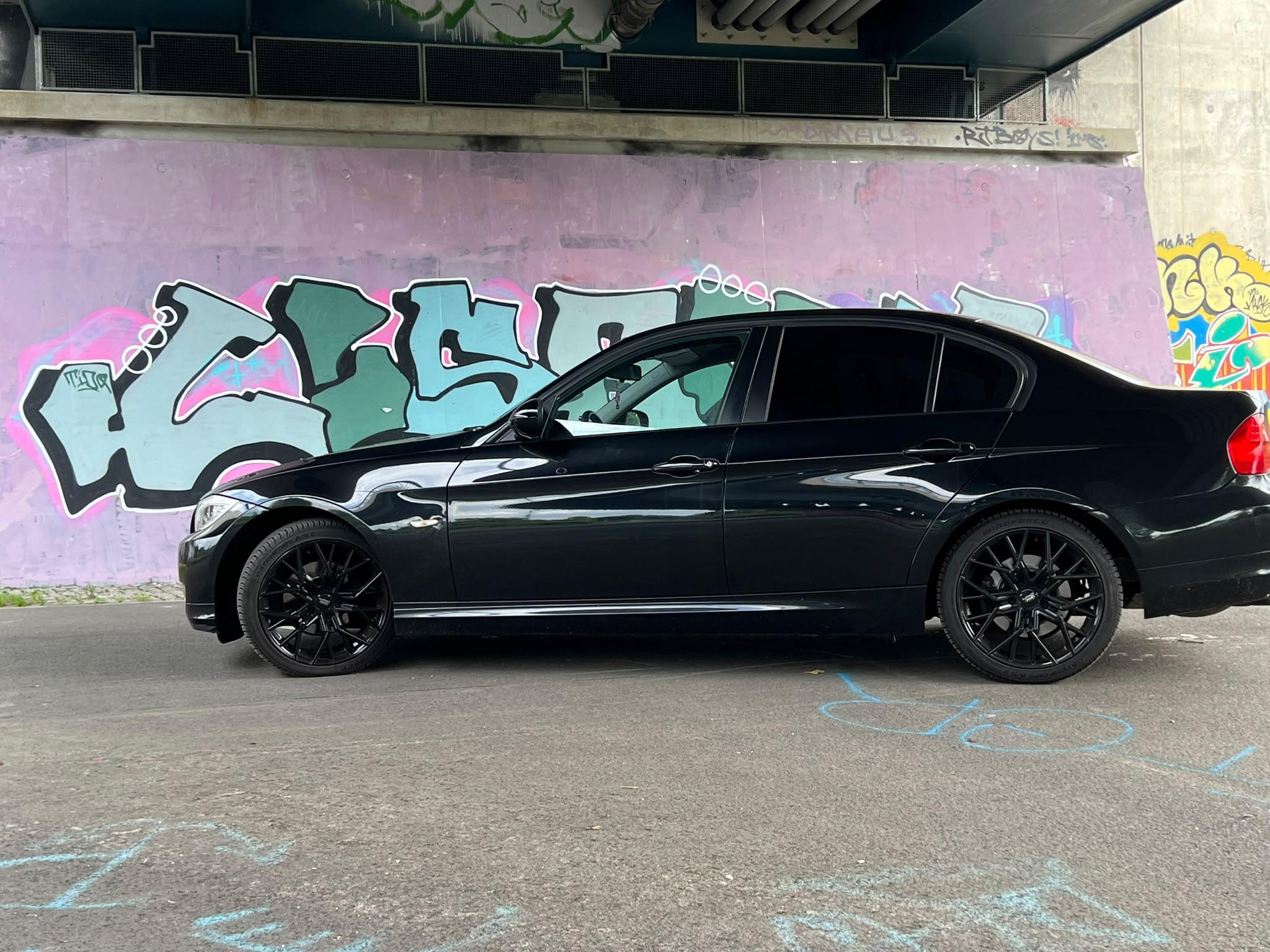
I drive a 2011 BMW 318i as a daily car. I have €800 for parts and fitting. I want a more understated rear styling change. I’m considering the rear lights or a bumper change, and I don’t know which bumper is currently fitted. Ask me the most important question before recommending a direction. Then compare the two options, list what I would need to verify, and suggest the first thing to ask a workshop to quote.
The example is about structuring the conversation. The information in it does not establish what fits that BMW or what the work costs. If you know the current setup, say so. If you cannot identify it, make that uncertainty part of the request.
Give the reply a job, too
When the assistant answers, look for three things you can carry into a real conversation: what it would prioritise, what that depends on, and what evidence you still need. Ask it to separate facts you supplied from assumptions it made. If it gives a confident price, ask which costs are included and which need a real quote.
Once you have a direction, turn the reply into a short list of checks for a parts supplier or workshop. You can do this even when the original recommendation turns out to be wrong.
Start with one decision in CapCar. Write down the outcome and the fitted budget, then ask the assistant which missing detail would most change its advice.
Your next article
Build planning · 3 min read
How to Start a Project Car Build Plan With One Job
Turn a long project car wish list into one scoped job with a budget, a stopping point, and a way to record what changed.
Read the article →
Build planning · 3 min read
What to Do When Your Project Car Goes Over Budget
Rework an over-budget car project by separating money already spent from commitments, then choosing what to finish or defer.
Read the article →