
Roadbook · 3 min read
How to Save Driving Routes You’ll Want to Repeat
Turn a saved line on the map into a route note that tells you when to go, where to stop, and what to change.
CapCar Editorial ·
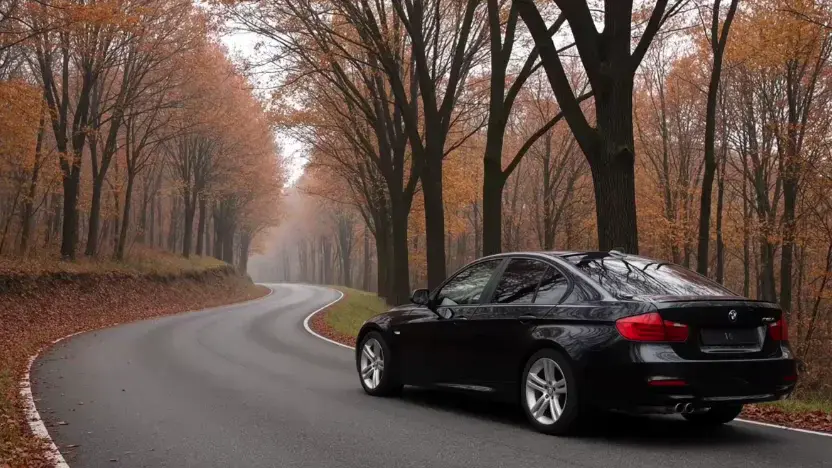
Six months after a good Sunday drive, the saved route says “Sunday loop.” There are two similar ones. Neither tells you which village had the easy stop, where the road improved, or why you skipped the last leg. The map can take you back to the area. A short note is what lets you repeat the good version of the day.
Separate what you drove from what you meant to drive
Keep the route you planned, then record any changes in a separate note or saved version. If you left the planned loop early and found a better way home, mark the place where you turned and save the road you actually used. Otherwise the old route can quietly overwrite your memory of what worked.
A useful title has a place and a purpose. “River loop from Mainz with one coffee stop” is easier to find than “Sunday loop.” If you try the route again and change it substantially, give the new version a name you can distinguish from the old one. You can always consolidate them once you have a favourite.
Record details that a map cannot tell you
Start with the date and roughly when you left. Add the actual time out, including stops. If something unusually affected the timing, record that alongside the total. A quiet early morning says something about that particular outing. It is weak evidence for how the same road will feel on a busy afternoon.
Then name one highlight and one thing you would change. For example:
- Keep: the stretch between the bridge and the town, with a stop at the river car park.
- Change: skip the detour to the second viewpoint next time. The walk from parking took longer than we wanted on a short outing.
- Check before returning: whether the car park is open and the bridge diversion is still in place.
These notes are illustrative. A useful route entry can be this short. If you would share a route with someone else, consider making a copy with a public meeting point as the start, especially if your own version begins at home.
Review the note before you reuse the route
Your notes tell you what happened once. Before repeating a drive, check current conditions and the details that matter to your group. A route that worked with one quick stop might need a longer break when you take passengers. An attractive stretch can remain the centre of the route even if the rest changes.
Open CapCar Roadbook with your last drive in mind. Find the one stretch you would recommend to a friend, then write down where you joined it, when you drove it, and what you would leave out next time.
Your next article
Roadbook · 3 min read
How to Plan a Scenic Drive in a Three-Hour Window
Work backward from your return time, choose one stretch of road you want to drive, and give yourself room to stop.
Read the article →
Roadbook · 3 min read
How to Build a Road Trip Itinerary You Can Change on the Day
Give your road trip a few firm anchors and prepare alternatives you can switch to without reworking the whole route.
Read the article →